United Kingdom / journal
Stage Direction, Set Design & Theatre Production Craft
Practical UK guide for theatre makers. Learn theatre production design, stage direction techniques, UK theatre scenery, lighting and scenography, and stagecraft.
What theatre production design covers
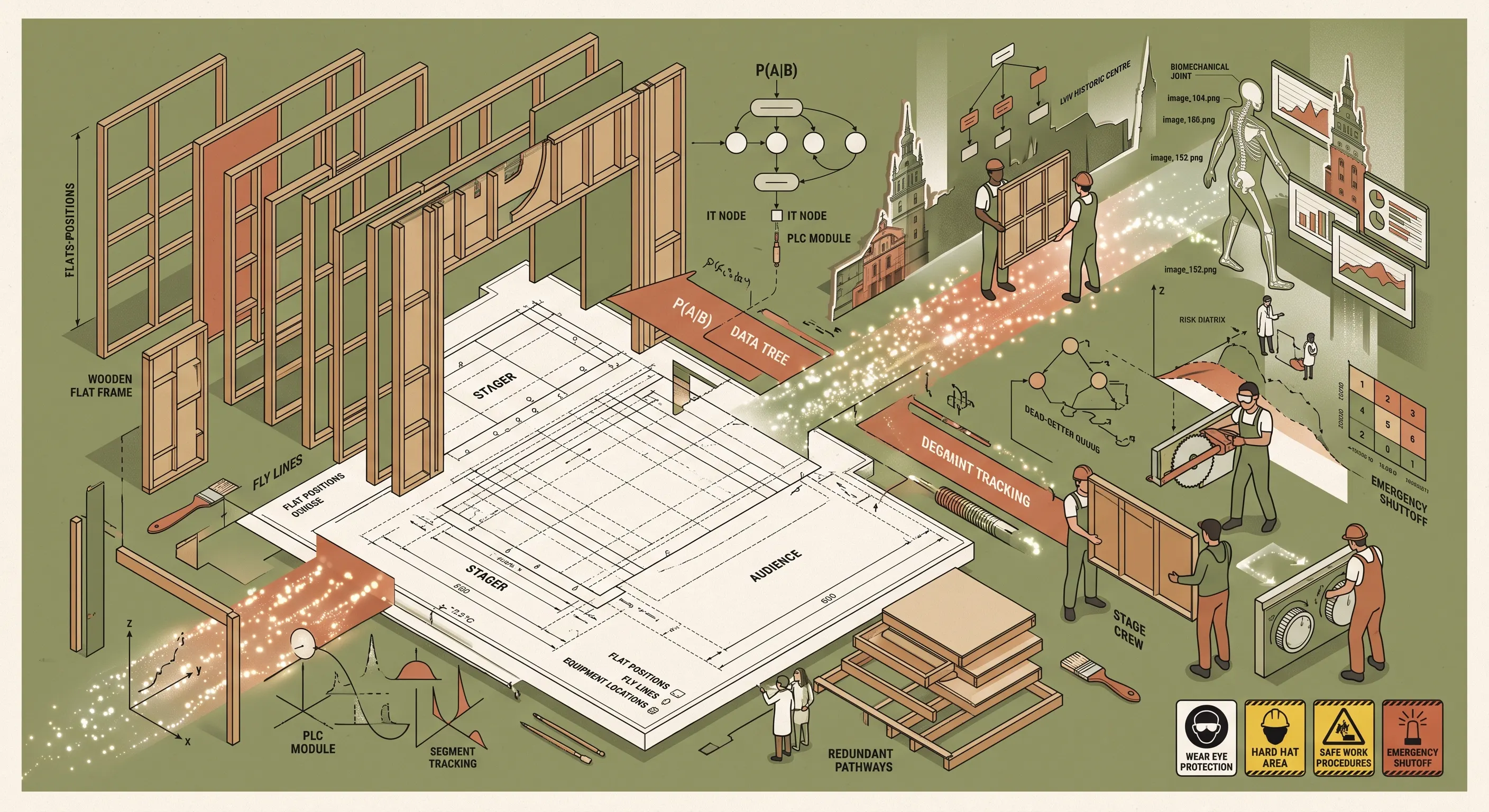
Theatre production design includes everything that determines how a play looks and feels to the audience. That covers set design, props, costume, lighting and sound choices. Scenography is a useful word you will meet: it describes the combined visual and spatial aspects of a production. In the UK, designers work in a range of spaces from regional rep theatres and fringe venues to large West End houses. Each space shapes the choices a designer and director make.
A production design brief starts with the script and director's vision. From there, the designer develops sketches, models and technical plans. These govern construction, scene changes and how actors move through the space. Good design supports the story rather than stealing focus. It also considers practical needs: sightlines, safety, storage, transport and budget.
Key stage direction techniques directors use
Stage direction techniques are the tools directors use to shape performances and the audience experience. At their heart they are about clarity: making sure every movement, pause and focus point has purpose.
- Blocking: Planning where actors stand and move. Simple blocking helps with sightlines and timing. Directors rehearse blocking to find the best positions for each beat of the scene.
- Focus and sightlines: Directing the audience’s attention. Lighting and actor orientation help focus. Directors use stage pictures so the eye naturally rests where the most important action is happening.
- Tempo and rhythm: Controlling pace. A director shapes how fast scenes move and where to pause for impact. Rhythm affects mood and audience engagement.
- Motivation and subtext: Helping actors find reasons for their actions. Directors ask ‘why’ and ensure choices are honest and grounded in the character’s needs.
- Transitions: Managing scene changes so they feel part of the story. Smooth transitions can be achieved with lighting, music, or choreographed movement.
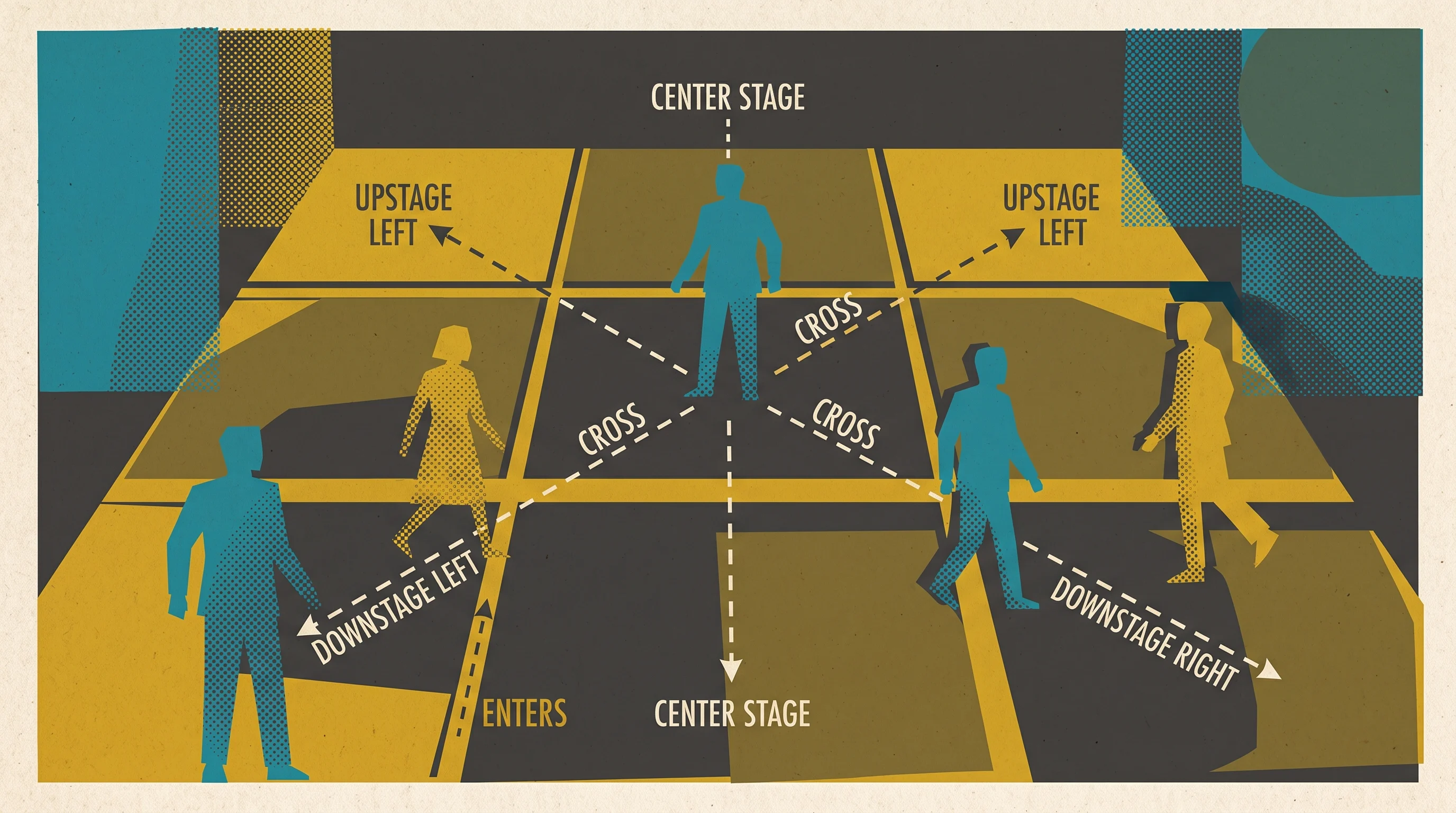
Directors often collaborate closely with the design team from early rehearsals. This dialogue helps match stage direction with set pieces, props and lighting. A director who understands basic set design and lighting and scenography can solve practical problems quickly and keep creative ideas realistic.
Principles of theatrical set design and UK theatre scenery
Theatrical set design balances creativity and practicality. UK theatre scenery ranges from minimal pieces used in touring shows to complex, built sets for major productions. Regardless of scale, good set design follows a few principles.
- Support the story: The set should serve the play. It can suggest time and place, mirror theme, or offer metaphorical space for action.
- Be readable: Audiences must understand the space at a glance. Clear lines and shapes help; overly cluttered sets confuse sightlines and focus.
- Allow movement: Actors need clear pathways. Consider entrances, exits and hiding places for actors to use.
- Plan for change: Many productions need quick scene changes. Flats, wagons, turntables and flying pieces are common solutions in UK theatres of all sizes.
- Think modular: Modular set elements make touring easier. Lightweight frames and reversible panels reduce load-in time and transport costs.
In the UK, many venues provide technical packages that limit what can be built. Working with the venue’s technical staff early avoids surprises. Also consider accessibility: ramps, safe step heights and non-slip surfaces protect performers and crew.
Lighting and scenography: shaping mood and sight
Basic lighting roles in a production include:
- Visibility: Ensuring the audience can see faces and actions clearly.
- Mood: Colour and intensity alter emotional tone. A wash of warm light feels intimate; harsh cool light feels clinical.
- Texture: Gobo patterns and side-lighting create texture on surfaces and actors, enhancing the three-dimensional feel of the set.
- Focus: Spotlights and sharper beams isolate characters or moments.
- Transitions: Lighting cues smooth scene changes and signal shifts in time or place.
Lighting designers work with technical drawings and cue lists. In UK practice, they often share responsibilities with the technical stage manager when venues are small. Learning basic console operation and an understanding of gels, LEDs and dimming systems is helpful for any production team member.
Stagecraft guides: materials, construction and safety
Stagecraft covers the hands-on building and running of shows. It includes carpentry, rigging, painting, props making and mixing of practical effects. For small UK companies, practical stagecraft guides help teams use limited resources efficiently.
Common materials and methods:
- Stud walls and flats: Lightweight timber and plywood frames are economical and quick to build.
- Wings and backcloths: Fabrics and painted drops are cost-effective ways to suggest environment.
- Modular units: Stackable platforms and treads make versatile stage levels without heavy construction.
- Props and dressing: Use found objects or repurpose items to create convincing detail within a tight budget.
Safety is vital. Always follow UK regulations and venue rules for load limits, rigging and fire safety. Use certified fixings for flown scenery and ensure all electrics are PAT tested. Having a simple risk assessment and a named safety lead for fit-up and tech rehearsals prevents accidents.
Director perspectives: collaborating with designers and crew
Directors lead the creative vision but rely on specialists to realise it. The best productions come from respectful collaboration. Directors should communicate priorities clearly: what must be literal, what can be symbolic, and which moments need technical emphasis.
Practical tips for directors:
- Invite designers into early rehearsals. Seeing actors explore the text informs better design choices.
- Be open to design constraints. A clever limitation often sparks a better idea than unlimited resources.
- Use the rehearsal room to test blocking with minimal scenery. This saves time and helps designers see what movement is essential.
- Keep communication simple: share reference images, mood boards and short written briefs rather than long essays.
Listening is as important as directing. Designers and stage managers bring expertise about what works in specific UK venues. Respecting that knowledge improves the overall production.
Budgeting, logistics and sustainability
Budget and logistics shape every production. In the UK, touring companies need lightweight, durable sets. Local productions often balance community involvement and tight funding. A clear budget that allocates money for build, transport, fit-up and contingencies keeps a show on track.
Sustainability is increasingly important in theatre production design. Reusing existing scenic elements, choosing recyclable materials and limiting single-use plastics reduce environmental impact and often save money. Plan for reuse and storage at the design stage so pieces can be repurposed for future shows.
Practical checklist before tech week
- Confirm venue tech specs and load-in times.
- Finalise set drawings, props list and a cue-to-cue plan.
- Allocate roles for fly crew, scene shifts and LX ops.
- Complete safety checks: electrics, rigging and access routes.
- Run a full rehearsal for timing and sightlines before full tech.
- Communicate a clear schedule to cast and crew, with contact numbers.
Getting these items right reduces stress during tech week and creates a smoother opening run.
Conclusion
Theatre production design blends craft, creativity and collaboration. Whether you work in a village hall, a fringe theatre or a major UK venue, understanding stage direction techniques, theatrical set design, lighting and scenography helps you make better choices. Think practically, plan early, and talk often. The best productions are the ones where every element—direction, set, light and sound—works together to serve the story.
FAQ
What is the difference between theatre production design and scenography?
Production design is a broad term covering set, costumes, lighting and sound. Scenography focuses on the visual and spatial language of a production—how the stage world looks and feels. Scenography is often thought of as the holistic approach within production design.
How do directors plan stage blocking effectively?
Directors start with the text and mark key beats. They then rehearse simple movements to test sightlines and focus. Using a rehearsal room, chairs or temporary set pieces helps find practical, actor-friendly blocking before fixing the set.
What are common materials for UK theatre scenery?
Common materials include timber frames, plywood, MDF, canvas drops and lightweight aluminium for touring frames. Reclaimed furniture and textiles are also widely used to save budget and add authenticity.
How important is lighting to storytelling?
Very important. Lighting sets mood, clarifies focus and indicates time or place. It can also hide scene changes and support dramatic reveals. Even simple lighting choices significantly affect audience experience.
How can small companies keep production costs down?
Reuse and repurpose scenic elements, work with a small trusted crew, design modular pieces for touring, and plan transport carefully. Also apply for local funding, collaborate with community workshops and share resources with other companies.