United Kingdom / journal
Drama Workshops, Educational Theatre & Script Development
Guide to drama workshops, educational theatre programs and script writing workshops UK. Practical drama education tools and emerging playwright guides for teachers.

What educational theatre programs do and who they are for
Educational theatre programs are designed to teach through doing. Schools, community centres and specialist venues use theatre to build confidence, communication and critical thinking. These programmes suit all ages, from primary school pupils to adults learning new skills. They may focus on performance, devising original pieces, or study plays as texts. Many programmes in the UK link to the curriculum or offer extra-curricular activity that supports creativity, social learning and literacy.
Programs can be short workshops, term-long courses, holiday intensives or long-running theatre training programs that lead to qualifications. Youth drama initiatives often aim to create a safe space for young people to explore identity and teamwork. Meanwhile, adult and professional pathways provide structured training and networking for those who want to make theatre a career.
Script writing workshops UK: formats, goals and what to expect
Script writing workshops UK vary widely. Some are single-evening introductions to structure and dialogue; others are multi-week courses that walk writers through plotting, character, and rewriting. Publicly funded venues, universities, independent arts organisations and commercial providers all run workshops. You’ll find options aimed at beginners, intermediate writers, and experienced playwrights looking for peer critique.
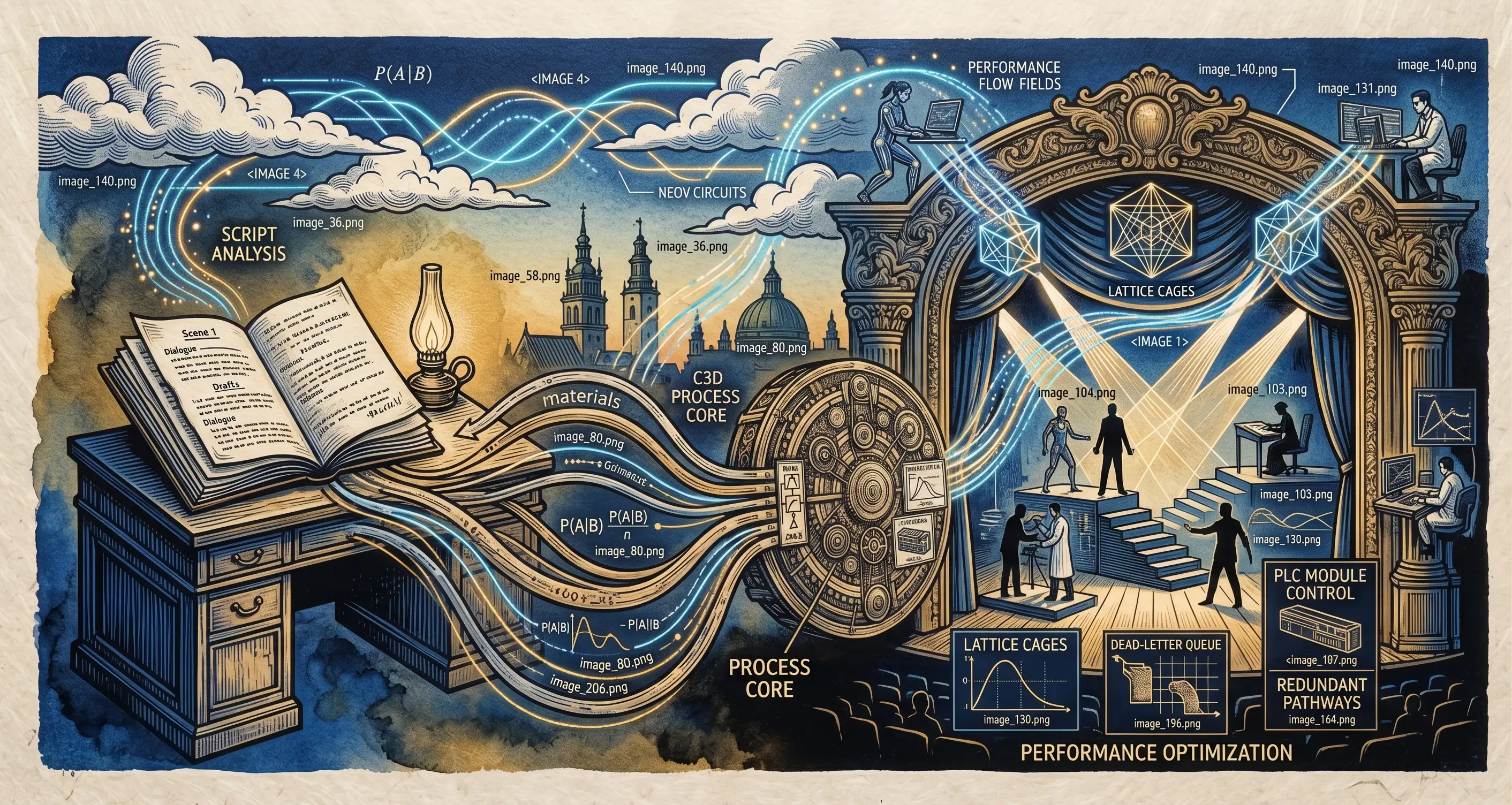
Typical aims include learning script format, developing scenes, sharpening dialogue and understanding the differences between writing for stage and for screen. Many workshops incorporate script analysis techniques to help writers read plays like directors and actors. In the UK, look for courses that bring a mix of practice and feedback: short writing exercises, group table-reads, and one-to-one mentoring make a big difference.
Playwriting masterclasses and advanced support
Playwriting masterclasses are part of the development ladder for emerging and established playwrights. These sessions are usually led by experienced writers or dramaturgs and focus on craft at a deeper level: theme, structure, rhythm of language and working with directors. Masterclasses often include case studies of successful contemporary plays and demonstrate advanced script analysis techniques.
Masterclasses can be part of festivals, national programmes or independent initiatives. They’re best for writers who already have a draft or several scripts and want targeted input. Many masterclasses also link participants to readings, showcases and funding opportunities, making them a smart next step for those serious about getting work produced.
Drama education tools: practical resources teachers and leaders use
Digital tools have grown in importance. Collaborative document platforms, screen-recording apps for remote rehearsals, and basic notation software for marking scripts can save time. Many UK organisations provide free resource packs, lesson plans and downloadable templates that align with school standards. The key is to choose tools that keep sessions active and inclusive, especially for youth drama initiatives where accessibility matters most.
Emerging playwright guides: steps from idea to production
For emerging playwrights, the route from a first idea to a staged production usually follows clear steps: write, workshop, revise, share and apply. Start with short pieces and use local script writing workshops UK to test ideas. Joining a writers’ group or a community of practice helps you get steady feedback without waiting for a formal commission.
Use emerging playwright guides to learn practical tasks: how to format a script, how to give and take notes, how to submit to festivals, and how to pitch a project to a director or producer. Many theatres in the UK run writers’ rooms, readings and scratch nights that welcome new work. Applying to these opportunities builds a track record and connects you to directors, actors and producers who can help take a script further.
The role of script analysis techniques in training
Script analysis techniques are tools professionals use to dig into a play’s structure, characters and themes. For learners, simple techniques work best: breaking a play into beats, tracking objectives for each character, and noting changes in tone across a scene. For writers, analysis helps spot weak scenes, unclear motivations or repetitive dialogue.
Workshops often teach analysis alongside writing so participants learn to self-edit. For teachers, using analysis with students develops reading skills and helps young people see how language and stage direction work together. These techniques are part of both drama education tools and playwriting masterclasses, and they create a shared vocabulary for writers, actors and directors.
How theatre training programs and youth drama initiatives differ
Theatre training programs tend to be formal and sustained, often linked to colleges or conservatoires offering graded learning or diplomas. They focus on technique, repertoire and professional practice, preparing participants for careers in acting, directing or production. Youth drama initiatives, by contrast, focus more on participation, personal development and social impact.
Youth programmes emphasise play, confidence and teamwork while offering creative outlets for young people. They often work with local schools, charities or councils and may provide performance opportunities in community spaces. Both kinds of programmes can feed into each other: youth initiatives can identify young talent who later join formal training, while theatre training programmes sometimes run outreach projects that benefit communities.
Choosing the right programme and measuring progress
Choose a programme based on your goals. If you want to try writing, a short script writing workshop UK or a local evening class is a low-cost way to test interest. If you aim to write professionally, look for programmes offering sustained mentorship, masterclasses, and opportunities to see work performed. Teachers should prefer resources aligned with learning outcomes and flexible for different age groups.

Measure progress through practical milestones: finished drafts, table reads, peer feedback cycles, and public sharings. For students, set clear learning goals — improved confidence, stronger storytelling, or better speaking skills — and use simple assessment tools like self-reflection sheets and teacher observations. For playwrights, a useful metric is whether your work moves from private drafts to public readings or is picked up for development.
Funding, access and inclusion in the UK
Access to workshops and training depends on funding and geography. Many UK theatres and arts councils offer bursaries, reduced-fee places, and specifically targeted youth drama initiatives to reach underrepresented groups. Look for grants, local council arts schemes and charity-supported programmes that reduce cost barriers.
Inclusion matters: choose programmes with clear safeguarding, accessibility statements and a culture of respect. Many providers now offer online options to reach people outside city centres. If transport or cost is a problem, contact organisers — they often have solutions or can signpost local help.
Practical tips for teachers, leaders and writers
Teachers: start small and keep sessions activity-focused. Use short exercises to build skills and confidence, and include clear reflection time so students learn from what they did. Youth leaders: partner with local theatres for expertise and performance opportunities. Writers: keep a steady habit of short writing sessions, share work in low-stakes spaces, and use script writing workshops UK to test new material.
All: keep simple records of work, collect feedback, and celebrate small wins. The theatre world is collaborative — building relationships with actors, directors and dramaturgs is as important as perfecting a script.
FAQ
How old should participants be for youth drama initiatives?
Most youth drama initiatives have programmes for primary (5–11), secondary (11–18) and sometimes young adults (18–25). There are tailored sessions for each age with appropriate content and safeguarding in place.
How long do script writing workshops UK usually run?
They range from one-off taster sessions to multi-week courses. Expect beginner workshops of 2–6 evenings and in-depth courses lasting 6–12 weeks. Masterclasses may be single days or a short series.
Do I need experience to join a playwriting masterclass?
Many masterclasses expect a basic level of experience or at least a draft to work on. Check entry requirements; some are open to all while others ask for samples or evidence of previous work.
What are simple script analysis techniques I can teach students?
Use beat breakdowns, character objective charts, and scene summaries. Ask students to note changes in mood, stage directions, and what each character wants in a scene. These are quick to teach and helpful for both reading and writing.
How can I find funding or bursaries for theatre training?
Search Arts Council England, local council arts funds, theatre bursaries, and charity programmes. Many venues list funding info on their sites; contact them directly about discounts or paid places.