United Kingdom / journal
The Evolution of Community & Regional Theatre in the UK
Explore how UK regional theatre venues and community performing arts have evolved, with local theatre companies, venue programming, touring shows and provincial culture.
A brief history of regional theatre in the UK
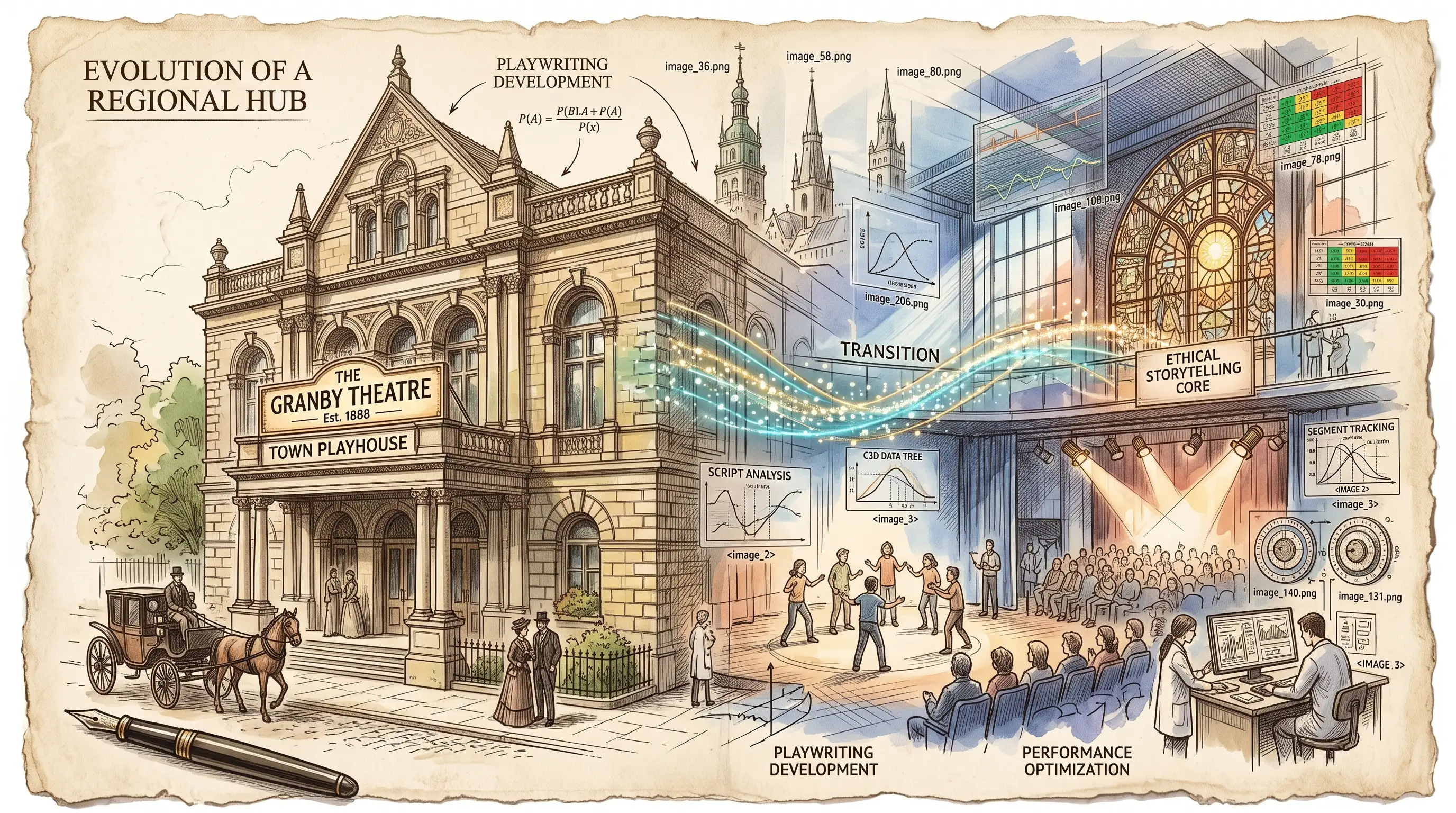
Regional theatre in the UK began to take a recognisable shape in the 19th century. Working-class audiences flocked to local playhouses and music halls, and by the early 20th century many towns had a permanent theatre. After the Second World War, there was a deliberate push to spread high-quality drama beyond London. The formation of regional companies, subsidised theatres and touring circuits helped deliver new writing and classical plays to wider audiences.
Over the decades, these venues became more than places to watch a play. They were community hubs where amateur groups rehearsed, local schools performed, and festivals took place. The rise of regional drama centres in the 1960s and 1970s formalised training and outreach, linking professional practice with community performing arts. That history still matters: many current approaches to venue programming UK-wide are rooted in those earlier priorities of access and local engagement.
What modern UK regional theatre venues look like
Today, regional theatre venues range from small village halls and black box spaces to restored Edwardian theatres and large multi-arts centres. Many town theatres have been refurbished to include flexible studio spaces for community workshops and rehearsal rooms for local theatre companies. This flexibility helps venues host a wide mix of activity: local amateur nights, children's theatre, contemporary plays, stand-up, dance and touring stage shows.
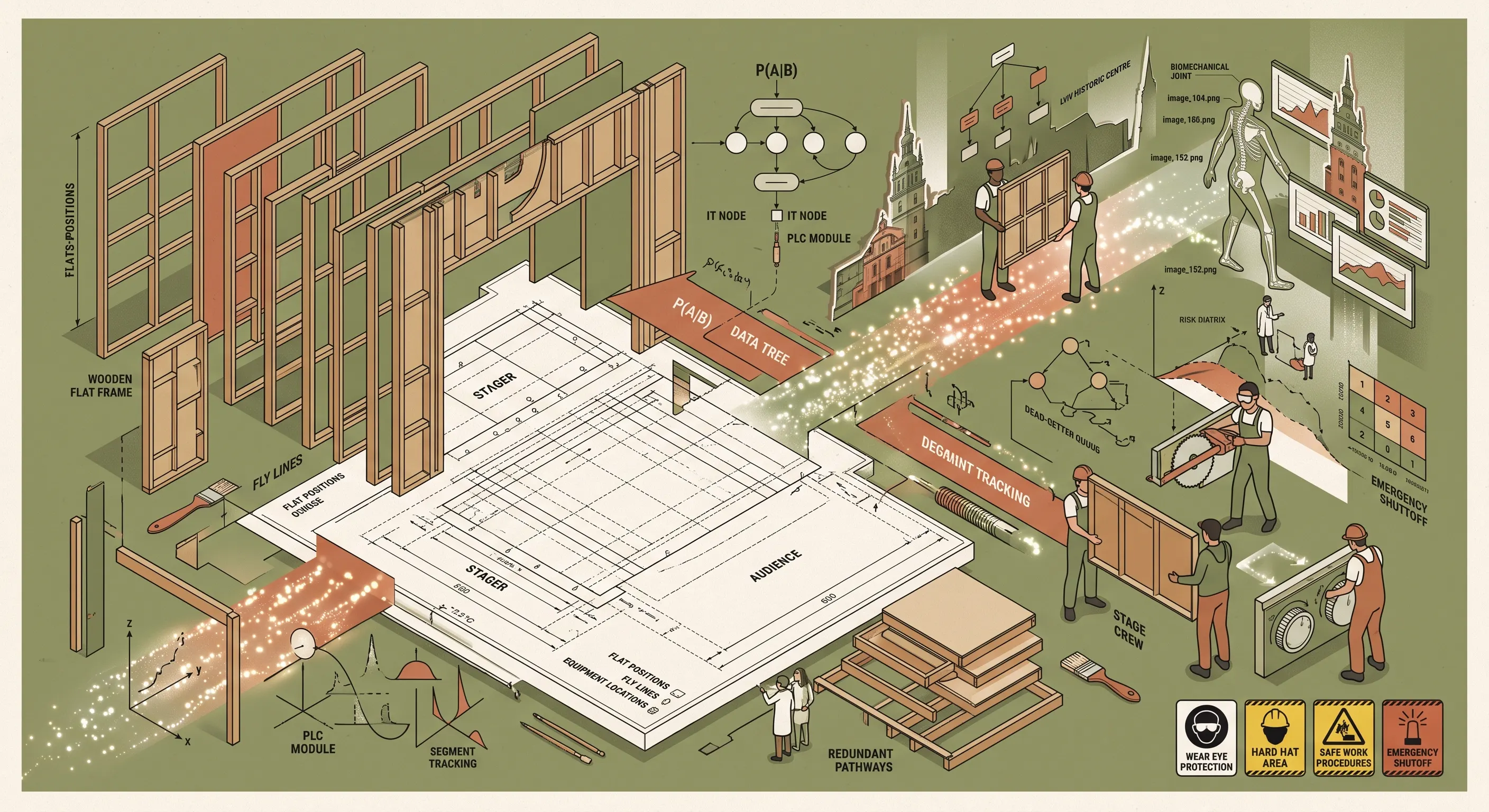
Provincial theatre culture now often centres on adaptability. A single venue might host a school production in the afternoon, a community choir rehearsal in the evening and a professional touring production the next night. That mix keeps venues financially viable and ensures they remain woven into local life. It also influences programming choices: venue managers balance box-office draws with shows that serve outreach and artistic development.
The role of community performing arts
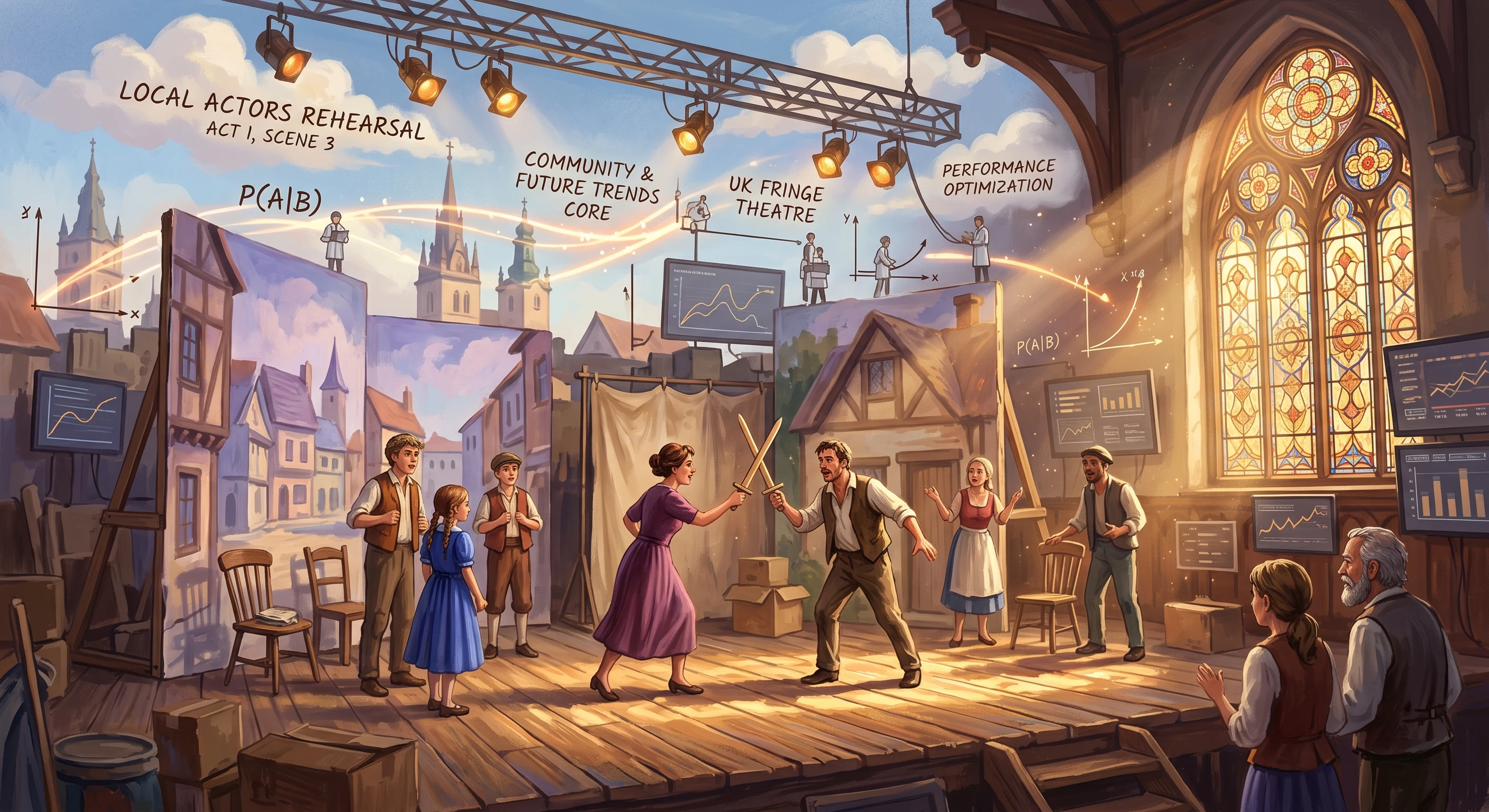
Community performing arts include amateur dramatics, youth theatre, community choirs and participatory projects. In many places they are the lifeblood of local culture, giving residents a chance to create and perform rather than just sit in the audience. These activities build confidence, create social bonds and help sustain interest in theatre across generations.
Local arts initiatives often work in partnership with regional venues. Workshops, open rehearsals and collaborative productions bring professional artists into contact with local participants. That relationship strengthens both sides: venues gain audiences and volunteers, while community groups benefit from professional coaching, technical facilities and promotional reach. For many people, their first connection to theatre is through a community project, not a West End show—so these grassroots activities matter deeply for the long-term health of theatre in the UK.
Local theatre companies and touring stage shows
Local theatre companies are essential to the ecosystem. They produce work that reflects local stories, train new talent and often serve as the bridge between community groups and professional theatre. Many local companies tour regionally, bringing small-scale productions to neighbouring towns and contributing to a touring circuit that keeps diverse work moving across the country.
Touring stage shows range from large commercial tours that visit regional venues to intimate, site-specific productions that travel light. Venue programming UK-wide must accommodate this variety: larger theatres need the technical capacity for full-scale productions, while smaller spaces thrive on flexible, easily transported shows. Touring also helps spread risk—producers can test work outside London and develop regional audiences, while local venues get fresh programming that complements their in-house productions.
How venues programme to serve communities
Venue programming in the UK today is rarely about filling a diary with whatever can sell tickets. Successful programming balances commercial shows that pay the bills with experimental and locally relevant projects. Many venue teams use a three-part approach: headline productions that draw audiences, development work to support new artists and community-focused events that build local relationships.
Programming choices are informed by local research and partnerships. Venues consult with schools, community groups and local authorities to understand needs and gaps. This collaborative approach supports local arts initiatives like outreach tours, free workshops, and subsidised tickets for community members. The result is programming that feels rooted in place—shows and activities designed for the people who live nearby rather than a one-size-fits-all calendar imposed from afar.
Funding, governance and the practical challenges
Governance matters too. Trusts, charitable companies and community interest organisations each bring different strengths. A theatre run by a local trust may be more focussed on community performing arts, while a council-run venue might emphasise broad access. Local partnerships—between health services, schools, libraries and theatres—can unlock funding and amplify impact, but they require time, trust and shared goals.
Regional drama centres, training and talent development
Regional drama centres and training programmes play a vital role in developing actors, directors and designers outside London. These centres often offer courses, apprenticeships and residencies that help nurture homegrown talent. By embedding training locally, regional drama centres increase the chances that trained artists will contribute to their local scene rather than relocating to big cities.
Many venues now host trainee schemes, technician apprenticeships and creative residencies. This approach creates a pipeline of talent for local theatre companies and helps venues maintain the technical and creative skills required to stage high-quality touring shows. It also supports a more diverse workforce, as training opportunities in different parts of the country can reach people who might not otherwise move to London for study.
Looking ahead: trends shaping the next decade
Several trends will shape the future of community and regional theatre in the UK. Increasing attention to inclusivity is changing casting, programming and audience development. Environmental concerns are pushing venues and touring companies to consider greener production practices. Digital technology will continue to offer new ways to reach audiences, whether through streamed performances, online workshops or enhanced marketing.
At the same time, there is a renewed appetite for local stories and place-based work. Audiences value experiences that speak to their community and its concerns. That makes local theatre companies and community performing arts more important than ever. Effective venue programming UK-wide will combine commercial intelligence with civic responsibility, ensuring regional theatre remains both sustainable and deeply connected to the places it serves.
FAQ
What is the difference between regional theatre and community theatre?
Regional theatre usually refers to professional or semi-professional companies and venues outside the capital that programme a mix of touring and in-house productions. Community theatre is more grassroots and participatory: amateur groups, local productions and projects that often involve non-professionals. Both overlap and support one another in practice.
How do touring stage shows reach smaller towns?
Touring stage shows travel through networks of venues and promoters. Smaller companies use light, adaptable sets and minimal crew to move easily. Larger tours work with regional theatres that have the technical capacity. Funding bodies and local partnerships sometimes subsidise tours to reach underserved areas.
What role do regional drama centres play?
Regional drama centres offer training, resources and space for artists. They often run courses, residencies and youth programmes, helping to develop local talent and keeping skills within regional communities rather than centralising them in London.
How do venues balance commercial shows with community needs?
Venues balance income-generating headline shows with subsidised community projects. A mixed programming model—combining ticketed performances, workshops, outreach and co-productions—helps maintain both financial viability and local relevance.
How can local communities support their theatre venues?
Communities can support venues by attending shows, volunteering, joining friends' groups, donating, and participating in outreach programmes. Local advocacy for public funding and partnerships with schools or health services also helps secure long-term support.
Where can I find local theatre listings?
Local theatre listings are available through venue websites, regional arts portals, local councils and community noticeboards. Many venues also publish seasonal brochures and use social media to promote upcoming shows and community events.